Which bag?
English
Listening and speaking first. Then sounds, letters and first words, on the way to reading to learn by grade 3.
Children help Noor and Rayan sort out small mix-ups in their neighbourhood, in English: two bakery bags, two plants to measure, a picnic table to set. Arabic has its own path. Free, with no ads and no accounts.
No sign-up. Pointing counts as an answer.

Noor has two paper bags and two tags, and they have been muddled. Choose who is playing, then answer her. It is the same scene, with the same choices, that a child plays in the app.
Noor asks
Help, please!
سَاعِدْنِي، مِنْ فَضْلِكَ!
Tap a picture. You can say the words too.
Or open a later case:Which Plant Is Taller?The Two Missing Places(Starts with a short recap)
Playable here today: Preschool · Kindergarten · Grade 1 · Grade 2 · Grade 3
When the cases are released, a grown-up can save all three for one stage and play them offline.
A child can be a beginner in one and a reader in the other. You set each starting point separately, and you can change either one later without losing anything.
Which bag?
Listening and speaking first. Then sounds, letters and first words, on the way to reading to learn by grade 3.
كِيسٌ
Two ways in: everyday spoken Fusha with pictures and short conversations, or straight to letters, joining and first reading for children who already speak Arabic.
Inside English lessons, Arabic help is a setting: full, light or off. Help on an English task is counted as help on that task, and it never touches the Arabic path.
The site and the app both work in Arabic and English. Choose the language of the screens separately from what your child is learning.
Each case needs a real piece of maths or science, so the English has a job to do.

Three pairs of buns make six. Which bag goes to the garden?
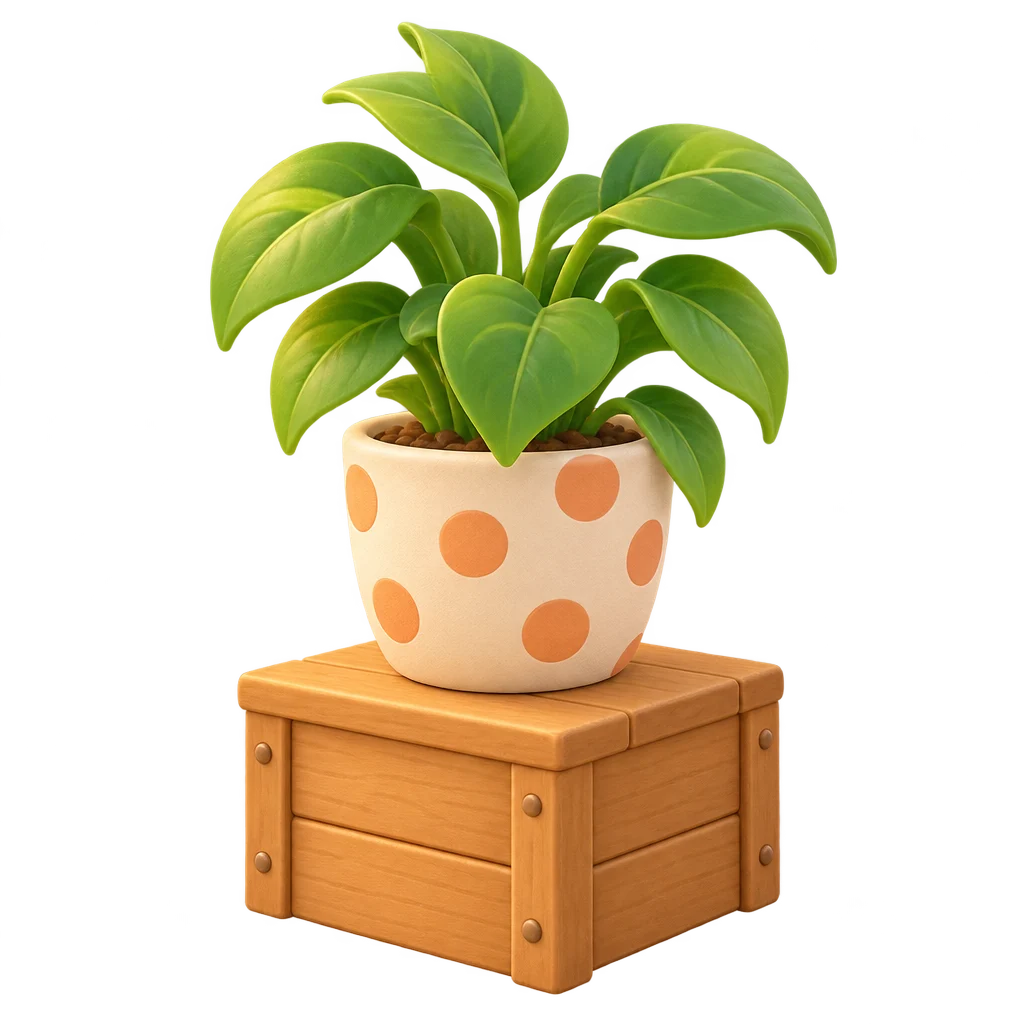
A pot on a box looks taller. Five blocks against four says otherwise.
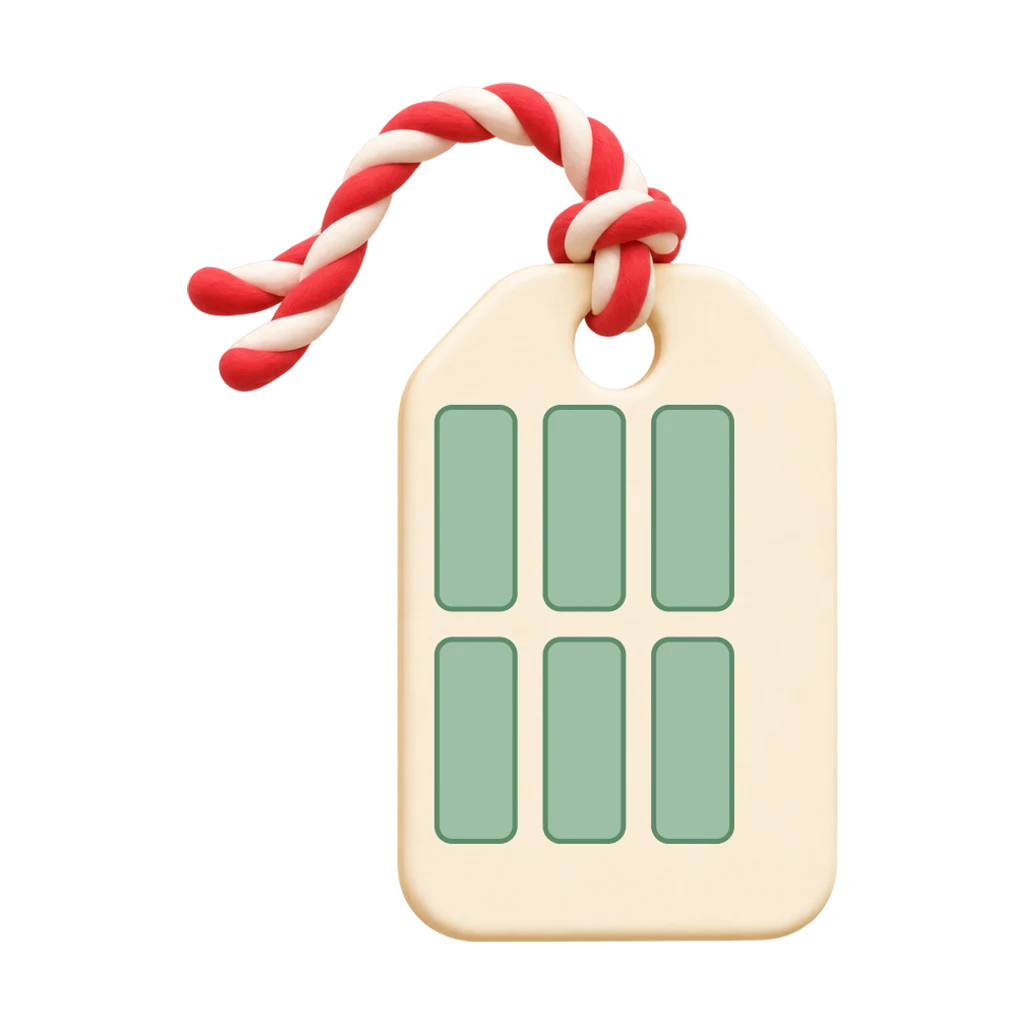
Two rows of three places, four mats out. How many more?
Every unit has six short lessons in order. On the child's screen there is one big Continue button that returns to the exact step, even after a detour to look up a word or try something in Arabic.
The mysteries sit beside the path. Opening one never moves a child's place in their course.
How it worksSchool stage sets the scene. Skill sets the task, so an older beginner never gets a baby game.
Fairness, in the bakery: the child checks both orders so the library gets its four buns too. Nobody explains fairness. The characters just do it, and the family card brings it home.
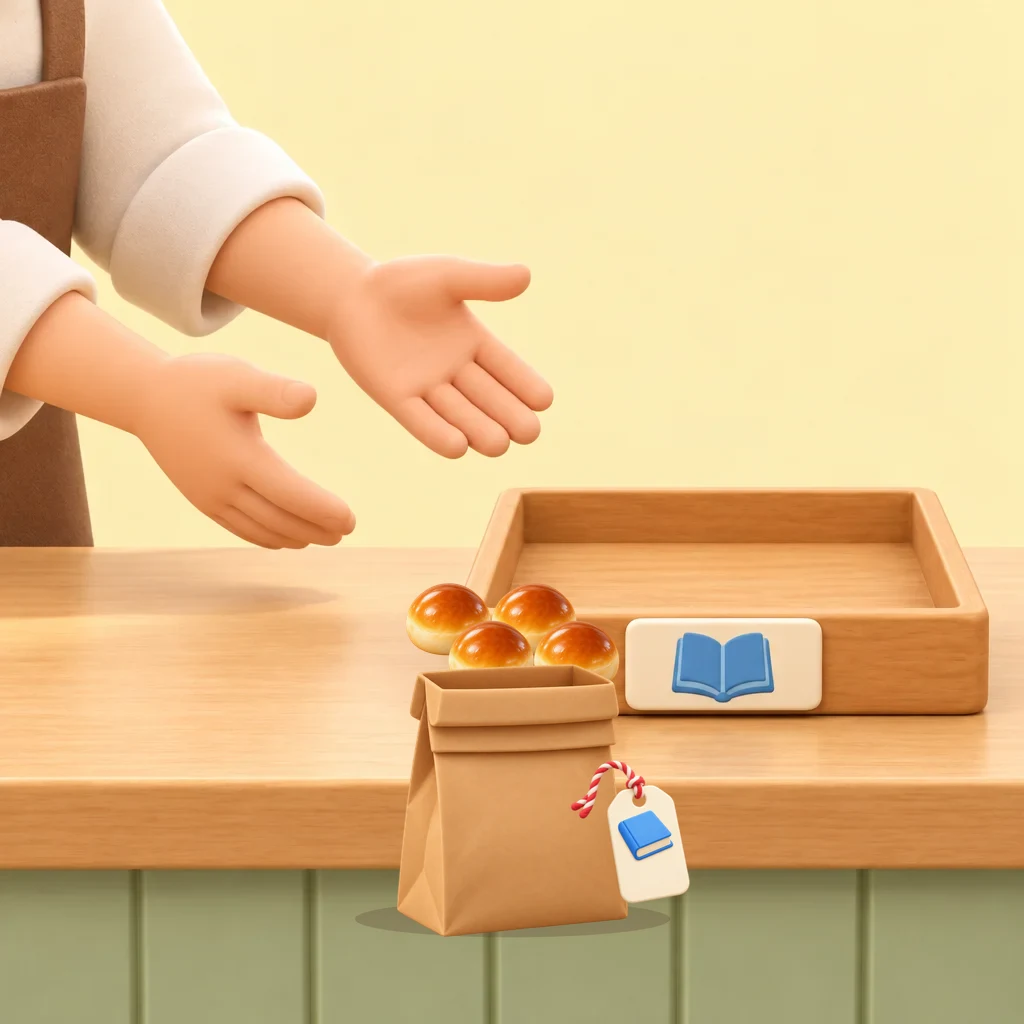
Tags the six-bun bag for the garden, then sets the library's bag aside: “This one is for the library.”
How could we check that each person got their order? Fill two paper bags with different numbers of things and take turns at the counter.
You choose the screens' language, each child's starting points, whether songs use instruments and how long a day's play lasts.
The progress page starts with one thing your child did, the help they used and the next activity. The skill map sits right below.
After a lesson, a tiny game to try at home, with an English line you can play.
Each child keeps their own place, in both languages.
Chose the bag after hearing “bag”, in a new picture, without a hint.
Next: The Two Missing Places
Yes. Every lesson we release is free to play. There are no ads, no purchases and no subscriptions.
No. A child can play as a guest straight away. If you like, a grown-up can add a nickname and a picture on this device. Nothing is sent to us.
Yes. Every activity shows what to do with a picture demonstration. Pointing at a picture is a full answer, and nothing is timed.
Yes, for lessons that are released: a grown-up saves a level or a stage's mysteries in the parents' area, and they then play with no connection. The first lessons are still in review, so there is nothing to save yet.
Only if your child taps Record in a speaking activity. The recording stays on the device, is never scored and is deleted when they leave the activity.
That is fine. Arabic lessons start either with spoken Fusha or with reading, whichever suits your child, and the language of spoken help is your choice.
Songs play with instruments unless you turn them off. One switch in the parents' area turns instruments off, and every song then plays its voice-only recording.
Islamic material is drafted from identified sources, with exact wording for any Qur’an, hadith or du’a. Each item appears publicly only after the project owner has approved that exact version.
You can add it to your home screen from the browser today, and it then opens like an app. Store versions are planned for later.